

- zandafarms.com
- Cashew Nuts
Cashew Nuts
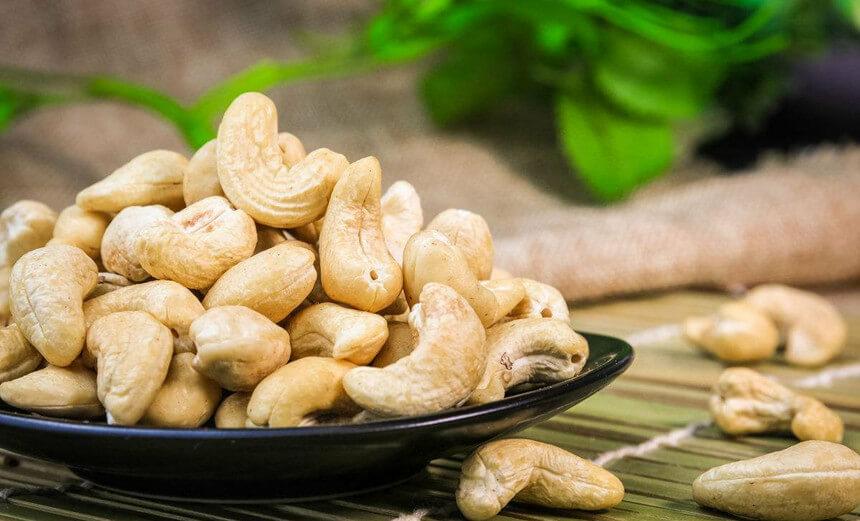
Cashew (Anacardium occidentale) —Production and Management:
Nigeria is among the top cashew producers globally, with a significant share of the global market. To optimize the economic benefits of cashew production, Nigeria must focus on enhancing agricultural practices, improving quality control, and investing in processing technologies. Strategies for sustainable farming, efficient processing, and robust export logistics are crucial for maintaining and expanding Nigeria’s position in the global cashew market.
Proper management of the cashew industry can further enhance its contribution to Nigeria’s economy, ensuring long-term benefits and growth.
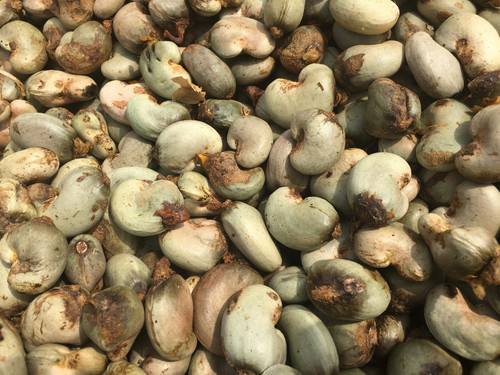
Foreign Exchange Earnings: Cashew export is a crucial source of foreign exchange for Nigeria. The revenue generated from international sales helps in stabilizing the country’s balance of payments and supports economic stability.
Employment Opportunities: The cashew industry creates significant employment opportunities, especially in rural areas where cashew farming is a primary activity. Jobs are generated in farming, processing, packaging, and logistics, contributing to rural development.
Economic Growth: The cashew export sector contributes to Nigeria’s economic growth by supporting local businesses and infrastructure development. The revenue from exports helps in national economic development and poverty alleviation.
Nutritional Value: Cashews are rich in essential nutrients, including proteins, healthy fats, vitamins, and minerals. They are valued for their health benefits, including heart health and weight management, making them an important dietary component.
Food and Beverage: Cashews are used in various culinary applications, including as snacks, in cooking, and in baking. Their versatility in recipes and their use in gourmet dishes enhance their market appeal.
Processed Products: Cashews are used in a wide range of processed products such as cashew butter, cashew milk, and cashew-based snacks. The processing adds value to the raw nuts and opens up additional markets.
Economic Diversification: By focusing on cashew production and export, Nigeria diversifies its agricultural sector and reduces dependency on traditional cash crops like oil. This diversification helps stabilize the economy and provides resilience against market fluctuations.
United States: The U.S. is one of the largest importers of cashew nuts from Nigeria. The demand is driven by the nut’s popularity as a snack and its use in various processed food products. The American market appreciates high-quality cashews for their flavor and versatility.
Europe: European countries are significant buyers of Nigerian cashew nuts. The nuts are used in a range of culinary applications, including snacks, confectioneries, and as an ingredient in various processed foods. Europe’s preference for healthy and organic products boosts the demand for cashews.
India: India is a major importer of cashew nuts and is also a significant processor. Indian processors use Nigerian cashews to produce a wide range of cashew-based products for both domestic consumption and export.
China: China’s growing middle class and increasing appetite for healthy snacks contribute to its demand for cashew nuts. The cashews are used in various food products, including confectioneries and health foods.
Middle East: Countries in the Middle East import Nigerian cashews for use in traditional dishes, snacks, and confectioneries. The region’s expanding food industry and preference for diverse nuts drive the demand.