

- zandafarms.com
- Spices
Spices

Spices
Nigeria as a Key Producer and Exporter of Spices
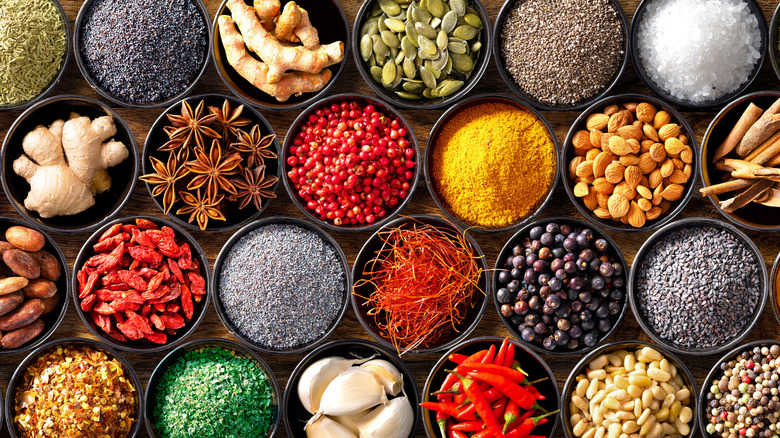
Nigeria plays a pivotal role in the global spice market, being a significant producer and exporter of various spices. The country’s diverse climate and fertile soil allow for the cultivation of a wide range of spices that are valued both locally and internationally. Here are some of the key spices produced and exported by Nigeria:
Pepper: Nigeria is one of the largest producers of pepper in Africa, with its varieties being highly sought after in international markets. The country’s pepper is known for its strong flavor and quality, making it a staple in global cuisines. A substantial portion of Nigeria’s pepper production is exported, contributing significantly to the country’s agricultural exports.
Cinnamon: Nigerian cinnamon, though lesser-known compared to other regions, is gaining popularity for its unique flavor and aromatic properties. It is used extensively in both culinary and medicinal applications, including as a spice in baking, cooking, and in traditional medicine practices.
Cloves: Cloves from Nigeria are widely recognized for their aromatic and medicinal qualities. They are commonly used in traditional medicine, especially in remedies for digestive issues and dental care. Nigerian cloves are exported to various countries, where they are further processed and used in the production of essential oils, flavorings, and medicinal products.
Nutmeg: Nigerian nutmeg is another valuable spice, known for its warm, slightly sweet flavor that is used in both sweet and savory dishes. Beyond its culinary uses, nutmeg is also valued for its medicinal properties, such as its ability to aid digestion and reduce inflammation. The export of nutmeg contributes to Nigeria’s standing in the global spice trade.
Cassia: Often confused with true cinnamon, cassia is another spice widely produced in Nigeria. It is commonly used in traditional medicine for its potential health benefits, such as improving digestion and controlling blood sugar levels. Cassia is exported from Nigeria to various international markets where it is used in food products, teas, and natural remedies.

Nigeria’s spice exports reach a variety of international markets, each with distinct demands and uses for these spices:
China: As a major global importer, China is one of the largest buyers of Nigerian spices. These spices are used in Chinese cuisine and traditional medicine, contributing to the high demand.
India: India, a country with a rich spice tradition, imports Nigerian spices for use in its extensive food industry. Nigerian spices are used in a range of products from curries and masalas to traditional Ayurvedic medicine.
United States: The U.S. market for spices has been growing, with a particular interest in exotic and organic spices. Nigerian spices are increasingly found in U.S. food products, seasonings, and even in health supplements due to their natural properties.
Europe: European countries import Nigerian spices for use in both food and cosmetic products. The demand for natural ingredients in skincare and health-conscious food products has made Nigerian spices a valuable commodity in the European market.
Middle East: The Middle East has a long history of using spices in both cuisine and traditional medicine. Nigerian spices are integrated into Middle Eastern diets and health practices, further solidifying Nigeria’s role in the global spice trade.
The production and export of spices offer numerous benefits to Nigeria, enhancing both its economy and the livelihoods of its people:
Foreign Exchange Earnings: The export of spices generates significant foreign exchange for Nigeria, providing much-needed revenue that supports the country’s balance of payments and helps stabilize the economy.
Employment Opportunities: Spice farming and the associated export activities create numerous jobs, especially in rural areas. This not only reduces unemployment but also helps to alleviate poverty by providing a steady income for farmers and laborers.
Economic Growth: The spice industry contributes to Nigeria’s economic growth by diversifying its export base. As the global demand for spices increases, so does the potential for economic development in the regions where these spices are produced.
Food and Beverage Industry: Nigerian spices are integral to the food and beverage industry, both domestically and internationally. They are used in a variety of products, including sauces, seasonings, and beverages, adding value to Nigeria’s agricultural output.
Cosmetic Applications: The antioxidants and anti-inflammatory properties of Nigerian spices make them valuable ingredients in the cosmetic industry. They are used in skincare products that are marketed for their natural and health-promoting qualities.
Traditional Medicine: Nigerian spices have long been used in traditional medicine due to their therapeutic properties. They are employed in treating a wide range of ailments, contributing to the preservation and promotion of Nigeria’s cultural heritage.
Economic Diversification: The growth of the spice export sector helps to reduce Nigeria’s dependency on oil exports. By diversifying its economy, Nigeria can better withstand global economic fluctuations and build a more resilient economic structure.