

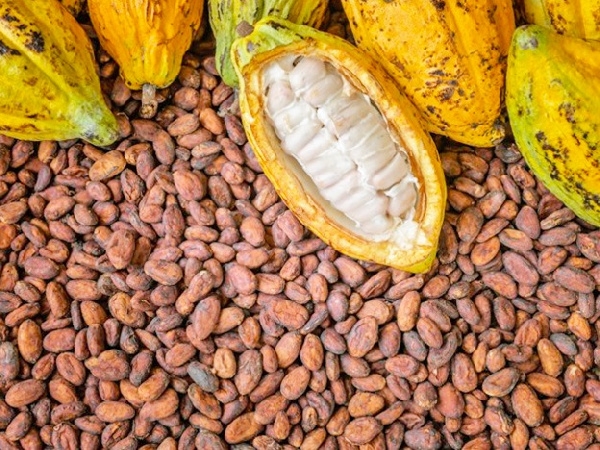
cocoa

Cocoa (Theobroma cacao) — Production and Management:


Nigeria is one of the largest producers of cocoa in the world, with favorable climatic conditions that support large-scale cultivation. To maximize the economic benefits of cocoa production, Nigeria must focus on:

  • Quality Improvement: Implementing better farming practices, pest management, and post-harvest handling to improve the quality of cocoa beans. Quality improvement is crucial for accessing premium markets and achieving better prices.

  • Processing and Value Addition: Investing in domestic cocoa processing facilities to produce cocoa powder, cocoa butter, and chocolate. This can capture a larger share of the value chain and reduce dependency on raw bean exports.

  • Sustainability: Adopting sustainable farming practices to ensure long-term productivity and environmental health. This includes promoting agroforestry, reducing deforestation, and improving soil health.

  • Market Diversification: Exploring new markets and strengthening trade relationships to reduce reliance on a few export destinations. Diversifying markets can help mitigate risks associated with market fluctuations and geopolitical uncertainties.

  • Farmer Support: Providing support to cocoa farmers through training, access to quality inputs, and fair pricing mechanisms. Enhancing the livelihoods of farmers is essential for the long-term sustainability of the cocoa industry.

By focusing on these areas, Nigeria can further enhance the contribution of cocoa to its economy, ensuring continued growth and sustainability in the sector.


Cocoa (Theobroma cacao) is a cornerstone of Nigeria’s agricultural export sector, playing a pivotal role in the country’s economy. Here’s a detailed exploration of the cocoa industry, including its export markets and benefits:

Our agricultural commodity warehouse in Edo state. Initial Cocoa drying in progress
  • United States: The U.S. is one of the major importers of Nigerian cocoa. The demand is driven by the extensive use of cocoa in chocolate products, confectioneries, and beverages. The American market values high-quality cocoa beans for their flavor and consistency.

  • Europe: European countries are significant consumers of Nigerian cocoa. Europe’s demand is largely driven by its large chocolate and confectionery industries. Key markets include Germany, the Netherlands, and Belgium, which are major centers for cocoa processing and chocolate production.

  • China: China has shown increasing interest in cocoa products, driven by the growing middle class and expanding confectionery and chocolate markets. Nigerian cocoa finds its way into various processed food products in China.

  • Japan: Japan imports Nigerian cocoa to meet the needs of its sophisticated confectionery and chocolate industries. The Japanese market values premium quality cocoa for high-end products and specialty chocolates.

  • South Korea: South Korea has a growing market for cocoa, with increasing demand for chocolate and other cocoa-based products. Nigerian cocoa is used in a range of food products and confectioneries.

  • Foreign Exchange Earnings: Cocoa is a major source of foreign exchange for Nigeria. The revenue from cocoa exports helps stabilize the country’s balance of payments and supports economic growth.

  • Employment Opportunities: The cocoa industry provides substantial employment, particularly in rural areas. Jobs are created in farming, processing, packaging, and logistics, contributing to local economic development and poverty alleviation.

  • Economic Growth: Cocoa exports contribute to Nigeria’s economic growth by supporting the agricultural sector and related industries. The revenue supports infrastructure development, public services, and local businesses.

  • Agricultural Diversification: Cocoa cultivation helps diversify Nigeria’s agricultural sector. By growing a variety of crops, farmers reduce their reliance on a single cash crop and enhance their resilience to market fluctuations and climate variability.

  • Nutritional and Health Benefits: Cocoa is rich in flavonoids, which have antioxidant properties and potential health benefits, such as improved heart health and cognitive function. The health benefits of cocoa add value to the crop beyond its culinary uses.

  • Food and Beverage: Cocoa is a key ingredient in a wide range of products, including chocolate, beverages, and baked goods. Its versatility and popularity make it an important commodity in the global food and beverage industry.

  • Value-Added Products: Beyond raw cocoa beans, there are opportunities for producing value-added products such as cocoa powder, cocoa butter, and chocolate. These products can capture higher value and open up additional market opportunities.