

- zandafarms.com
- Chilli Pepper
Chilli Pepper

Chili pepper (Capsicum spp.) — Production and Management:
Nigeria is a major producer of chili peppers, with favorable climatic conditions that support large-scale cultivation. To maximize the economic benefits of chili pepper production, Nigeria must focus on:
- Quality Improvement: Implementing better farming practices, pest management, and post-harvest handling to enhance the quality of the peppers.
- Processing and Value Addition: Investing in processing facilities to produce chili-based products, which can capture a larger share of the value chain.
- Market Expansion: Exploring new markets and strengthening trade relationships to diversify export destinations and reduce dependency on a few markets.
- Sustainability: Adopting sustainable farming practices to ensure long-term productivity and environmental health.
Proper management and strategic investment in the chili pepper industry can further enhance its contribution to Nigeria’s economy, ensuring continued growth and profitability.
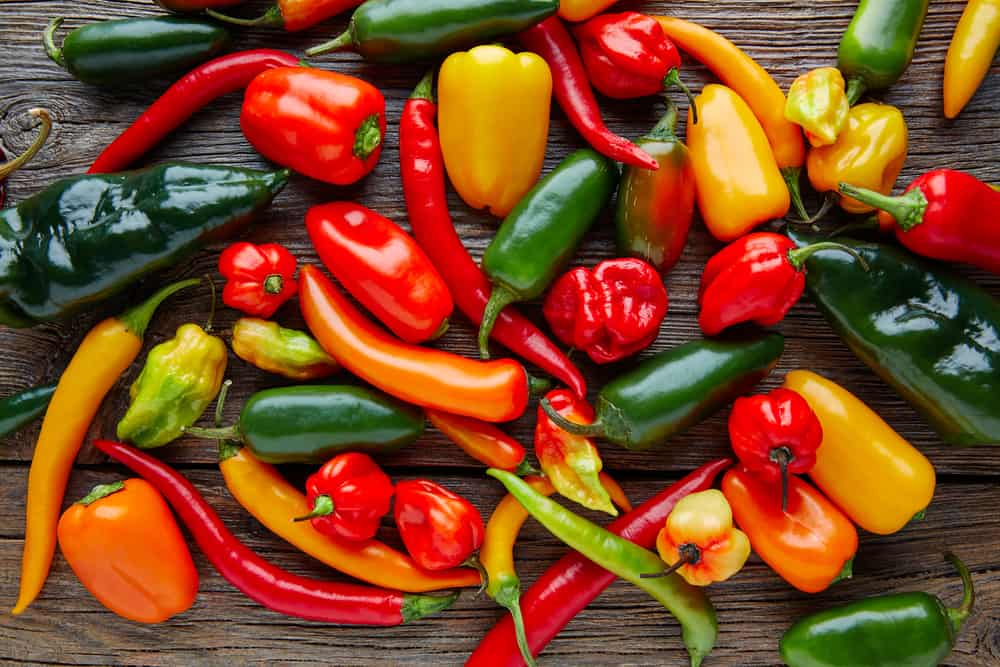
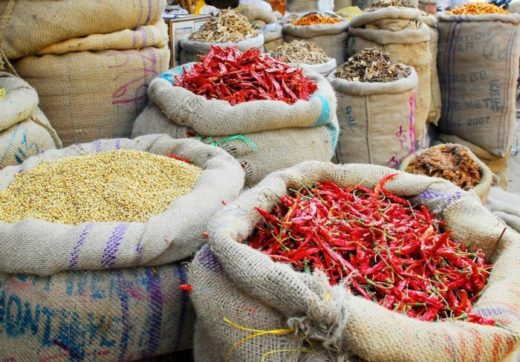
United States: The U.S. is a notable importer of Nigerian chili peppers. The American market values chili peppers for their use in a wide range of culinary applications, including sauces, seasoning blends, and as a key ingredient in spicy dishes.
Europe: European countries import chili peppers for use in traditional and contemporary cuisine. The demand is driven by the popularity of spicy foods and the use of chili peppers in various processed food products, including sauces and seasonings.
China: China imports Nigerian chili peppers for use in both culinary and medicinal applications. The growing interest in spicy foods and traditional Chinese medicine supports the demand for chili peppers.
Middle East: Countries in the Middle East have a strong preference for spicy foods, making them significant buyers of Nigerian chili peppers. They are used in traditional dishes, spice blends, and as flavor enhancers in various recipes.
India: India, a major spice producer and consumer, also imports chili peppers from Nigeria to meet the demands of its diverse and growing food industry. The peppers are used in a variety of cuisines and spice mixtures.
Foreign Exchange Earnings: Chili pepper exports contribute substantially to Nigeria’s foreign exchange earnings. The revenue from these exports helps in stabilizing the country’s balance of payments and supports economic growth.
Employment Opportunities: The chili pepper industry creates numerous job opportunities, particularly in rural areas. Employment is generated in farming, processing, packaging, and logistics, contributing to local economic development.
Economic Growth: The revenue from chili pepper exports supports Nigeria’s economic growth by bolstering the agricultural sector and providing income for farmers and businesses involved in the supply chain.
Agricultural Diversification: Chili pepper cultivation diversifies Nigeria’s agricultural sector. By growing a variety of crops, farmers reduce their reliance on single cash crops and increase their resilience to market fluctuations and environmental challenges.
Nutritional and Health Benefits: Chili peppers are rich in vitamins, particularly vitamin C, and capsaicin, which has been shown to have various health benefits, including boosting metabolism and reducing inflammation. This adds value to the crop beyond its culinary use.
Culinary Uses: Chili peppers are used in a wide array of culinary applications, including fresh, dried, and powdered forms. They enhance the flavor of foods and are a key ingredient in many cuisines around the world.
Value-Added Products: Beyond raw peppers, there is potential for producing value-added products such as chili sauces, spice blends, and dried pepper flakes. These products can command higher prices and open up additional market opportunities.