

- zandafarms.com
- Hibiscus
Hibiscus

Hibiscus (Hibiscus sabdariffa) — Production and Management:
Nigeria’s position as one of the largest producers of hibiscus globally presents significant opportunities for growth and development in the hibiscus industry. To maximize the benefits of hibiscus production and export, Nigeria should focus on:
Quality Improvement: Implementing best practices in farming, harvesting, and processing to ensure high-quality hibiscus. Quality control is essential for accessing premium markets and achieving better prices.
Processing and Value Addition: Investing in processing facilities to produce value-added hibiscus products such as dried hibiscus flowers, extracts, and powders. This can increase profitability and reduce reliance on raw hibiscus exports.
Sustainability: Adopting sustainable agricultural practices to ensure long-term productivity and environmental health. This includes promoting soil conservation, water management, and reducing the environmental impact of farming activities.
Market Expansion: Exploring new markets and strengthening trade relationships to diversify export destinations. This can help mitigate risks associated with market fluctuations and geopolitical uncertainties.
Farmer Support: Providing support to hibiscus farmers through training, access to quality inputs, and fair pricing mechanisms. Enhancing the livelihoods of farmers is crucial for the long-term sustainability of the hibiscus industry.
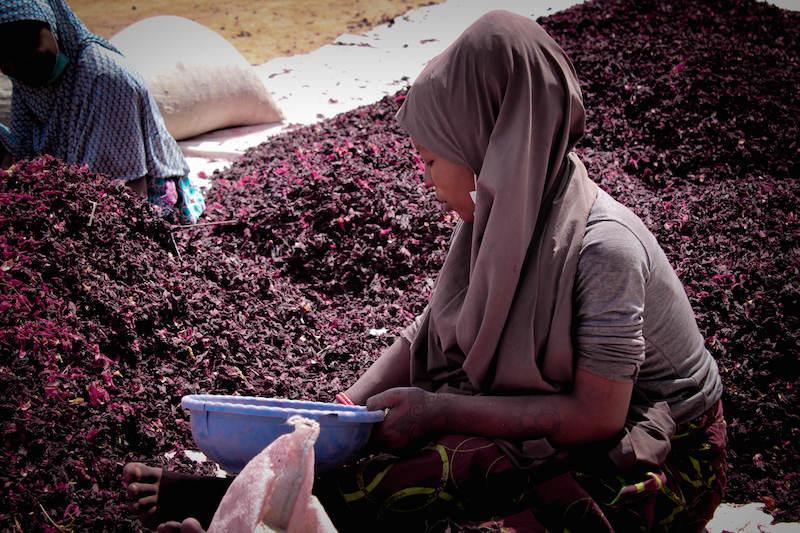
Foreign Exchange Earnings: Hibiscus export is a significant source of foreign exchange for Nigeria. The revenue from hibiscus exports helps stabilize the country’s balance of payments, supporting economic stability and growth.
Employment Opportunities: The hibiscus industry creates numerous job opportunities, particularly in rural areas. Employment is generated in farming, processing, packaging, and logistics, contributing to local economic development and poverty reduction.
Economic Growth: Hibiscus export contributes to Nigeria’s economic growth by supporting the agricultural sector and providing income for farmers and businesses involved in the supply chain. The revenue supports infrastructure development and public services.
Food and Beverage: Hibiscus is widely used in the food and beverage industry. Its applications include hibiscus tea, juices, syrups, and flavorings. Its unique tart flavor and vibrant color make it popular in various food products.
Cosmetic Applications: Hibiscus is used in skincare products due to its antioxidant, anti-inflammatory, and skin-conditioning properties. It is incorporated into facial masks, creams, and other cosmetic formulations aimed at improving skin health and appearance.
Pharmaceuticals: Hibiscus is utilized in the production of various pharmaceutical products. Its medicinal properties, including its potential to lower blood pressure and aid digestion, make it a valuable ingredient in health supplements and treatments.
Diversification: Hibiscus export helps diversify Nigeria’s economy by reducing dependence on oil exports. By expanding into non-oil sectors, Nigeria can build a more resilient and balanced economy, mitigating risks associated with oil price volatility.
Mexico: Mexico is a major importer of Nigerian hibiscus, particularly known as “jamaica” or “flor de jamaica” in Mexican cuisine. The demand is driven by its use in traditional beverages, such as agua de jamaica, and its popularity in Mexican food products and culinary traditions.
China: China imports hibiscus for its use in tea and food products. The Chinese market values hibiscus for its health benefits and flavor, incorporating it into a variety of beverages and culinary dishes. The use of hibiscus in traditional Chinese medicine also supports its demand.
United States: The U.S. has a growing market for hibiscus-based products. This includes hibiscus tea, health supplements, and culinary ingredients. The increasing consumer interest in natural and herbal products has spurred demand for hibiscus in the American market.
Europe: European countries use hibiscus in a range of applications, including tea, food products, and cosmetics. The European market values hibiscus for its flavor, color, and health benefits. Countries such as Germany, the Netherlands, and the UK are notable buyers.
Japan: Japan imports hibiscus for use in pharmaceuticals and cosmetics. The Japanese market is interested in hibiscus for its potential health benefits and as an ingredient in skincare products due to its antioxidant and anti-inflammatory properties.