

- zandafarms.com
- Kolanut
Kolanut
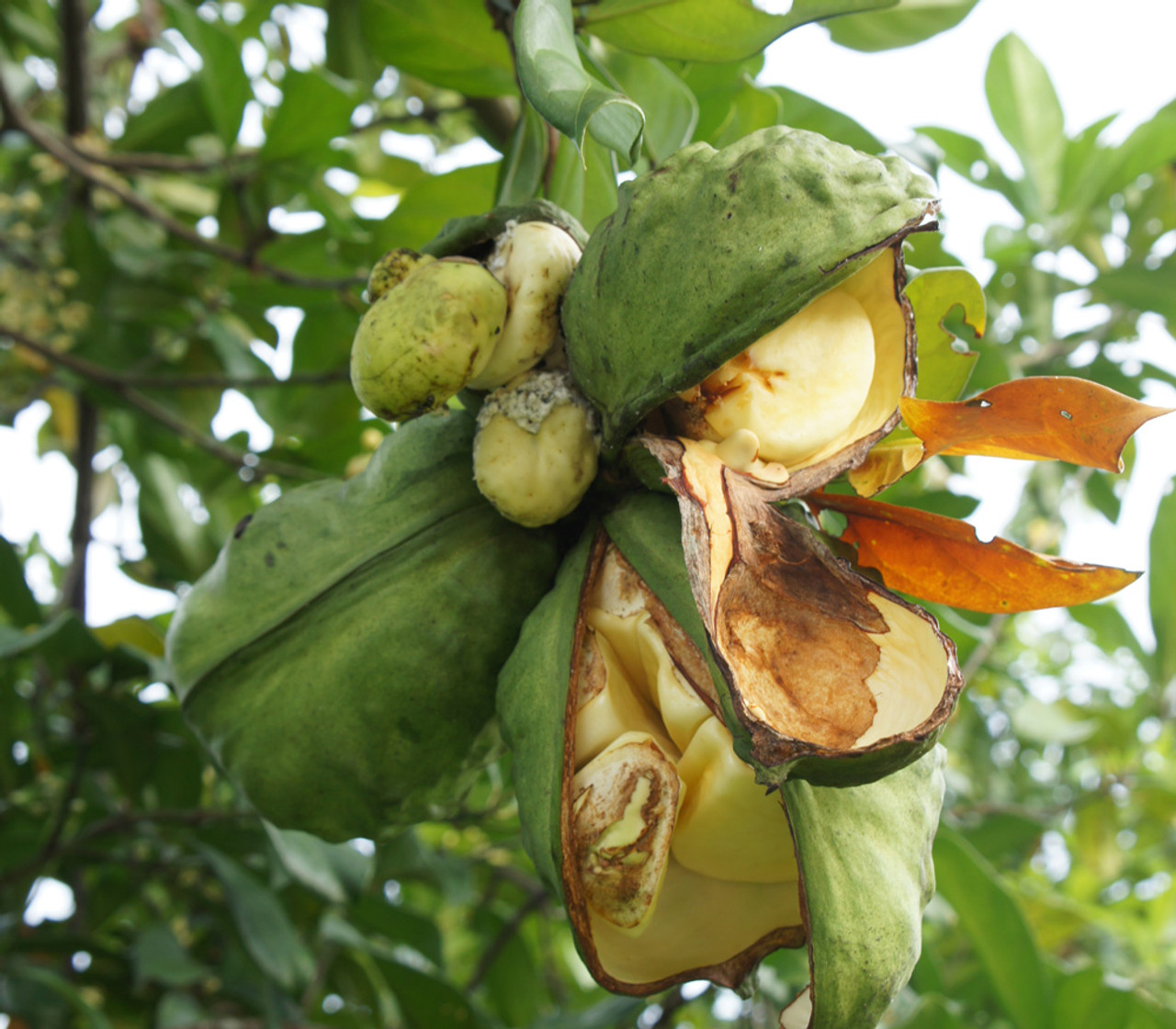
Kolanut (Garcinia kola) — Production and Management:
Nigeria’s status as the world’s largest producer of kolanut (accounting for over 70% of global production) underscores its critical role in the global kolanut market. To maximize the economic benefits, Nigeria must focus on enhancing agricultural practices, improving quality control, and developing strategic export policies. Proper management and investment in infrastructure and technology can help sustain and expand Nigeria’s leadership in the kolanut industry, ensuring continued economic benefits and growth.
Kolanut (Garcinia kola) plays a crucial role in Nigeria’s economy, significantly impacting both domestic and international markets. Here’s an expanded look at the export and benefits of kolanut:
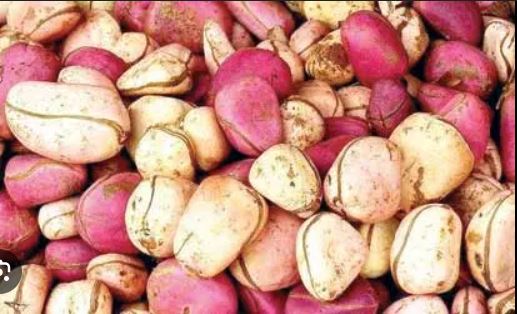
China: As one of the largest buyers of Nigerian kolanut, China imports it primarily for use in traditional Chinese medicine and for its potential health benefits. The demand in China is driven by the increasing awareness of alternative medicine and natural remedies.
India: India utilizes kolanut extensively in traditional Ayurvedic medicine, where it is valued for its various therapeutic properties. Additionally, it is incorporated into a range of food products, reflecting the cultural and medicinal significance of the nut.
Japan: Japan imports kolanut for use in pharmaceuticals and cosmetics. The nut’s bioactive compounds are prized for their potential health benefits and are used in developing products aimed at improving skin health and overall wellness.
United States: The U.S. market is emerging as a significant consumer of kolanut-based products. There is growing interest in natural and organic ingredients, and kolanut’s inclusion in health supplements, energy drinks, and other wellness products is expanding.
Europe: In Europe, kolanut is valued in traditional medicine and as a natural flavoring or ingredient in food products. Its historical use in traditional practices continues to drive demand in various European countries.
Foreign Exchange Earnings: Kolanut export is a vital source of foreign exchange for Nigeria. It helps balance the country’s trade deficit and supports the national economy by bringing in revenue from international sales.
Employment Opportunities: The kolanut industry provides substantial employment opportunities in Nigeria, particularly in rural areas where kolanut farming is a primary livelihood. Jobs are created in farming, processing, packaging, and exporting the product.
Economic Growth: The revenue generated from kolanut exports contributes to Nigeria’s economic development. It supports infrastructure development, boosts local businesses, and improves living standards in kolanut-producing regions.
Traditional Medicine: Kolanut is renowned for its medicinal properties. It contains compounds such as flavonoids and polyphenols, which have antioxidant, anti-inflammatory, and anti-bacterial properties. Its use in traditional medicine underscores its value in natural health solutions.
Food and Beverage: In traditional cooking, kolanut is used as a spice or flavoring agent. It’s an integral part of various dishes and beverages, enhancing taste and adding cultural significance to culinary practices.
Cosmetic Applications: The antioxidant and anti-inflammatory properties of kolanut make it a sought-after ingredient in skincare products. It is used in formulations aimed at reducing signs of aging, improving skin texture, and providing soothing effects.
Pharmaceuticals: Kolanut is employed in the production of various pharmaceutical products. Its bioactive components are explored for their potential therapeutic effects, including in treatments for ailments such as asthma, diabetes, and hypertension.