

- zandafarms.com
- Palm Oil
Palm Oil

Palm Oil
Nigeria as a Key Producer and Exporter of Palm Oil
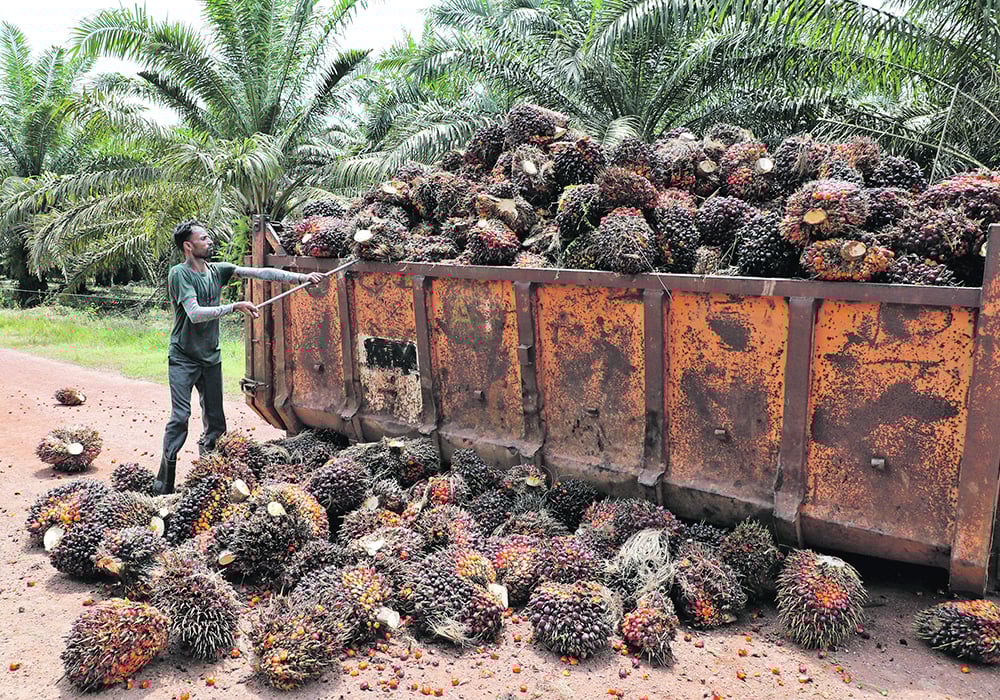
Nigeria remains a significant global player in the production and export of palm oil. The country’s favorable climate, fertile soil, and long-standing tradition of palm oil cultivation position it as a major producer of this essential commodity. Palm oil, derived from the fruit of the oil palm tree, is utilized in numerous industries, from food production to industrial applications, making it a versatile and highly sought-after product.
Palm Oil Production: Nigeria’s palm oil production is deeply rooted in its agricultural history. The country boasts vast oil palm plantations, as well as numerous smallholder farms, all contributing to its substantial output. Nigerian palm oil is prized for its deep red color and richness in beta-carotene and vitamins, making it a valuable resource for various industries.
Palm Kernel Oil: Beyond palm oil, Nigeria is also a major producer of palm kernel oil, extracted from the seeds of the oil palm fruit. This oil is primarily used in the production of cosmetics, soaps, and industrial lubricants, and it plays a crucial role in Nigeria’s agricultural economy.
Food Industry: Palm oil is a cornerstone of the Nigerian food industry, extensively used in cooking, frying, and as a base for margarine and other spreads. It is also a key ingredient in many traditional Nigerian dishes, contributing to its continued demand both locally and internationally.
Cosmetic and Pharmaceutical Applications: The cosmetic and pharmaceutical industries benefit greatly from palm oil’s moisturizing and stabilizing properties. Nigerian palm oil is increasingly used in skincare products, soaps, and creams due to its natural antioxidant content, making it a popular choice in these sectors.
Industrial Applications: Palm oil is utilized in various industrial applications, including the production of bio-lubricants, detergents, and even as a component in biodiesel. Its versatility makes it a valuable raw material for industrial processes, further driving its demand globally.

Nigeria’s palm oil finds its way to a variety of international markets, each with specific needs and applications:
Malaysia: Although Malaysia is a top producer of palm oil, it also imports Nigerian palm oil to meet its domestic demands and for blending with its own production, particularly in the production of various food products and industrial goods.
Turkey: Turkey is a significant importer of Nigerian palm oil, which is used in the food industry, particularly in the production of margarine, confectioneries, and processed foods. The growing food processing industry in Turkey drives the demand for high-quality palm oil.
Brazil: Brazil, with its large population and growing food industry, imports Nigerian palm oil for use in cooking oils, processed foods, and as an ingredient in biodiesel production. The country’s focus on renewable energy sources further increases the demand for palm oil.
South Africa: South Africa imports Nigerian palm oil for use in both its food industry and in manufacturing consumer goods such as soaps and cosmetics. The country’s diverse economy creates a steady demand for Nigerian palm oil, particularly in urban markets.
Russia: Russia is an emerging market for Nigerian palm oil, using it in food production, cosmetics, and industrial applications. The cold climate and reliance on imported goods make Nigerian palm oil a valuable commodity in this region.
The palm oil industry in Nigeria offers numerous benefits, significantly impacting the economy and improving the livelihoods of many Nigerians:
Rural Development and Infrastructure: Palm oil production contributes to the development of rural areas, leading to improved infrastructure such as roads, schools, and healthcare facilities. The revenue generated from palm oil exports often funds these community improvements, enhancing the quality of life in palm oil-producing regions.
Technological Advancements: The palm oil industry drives technological advancements in agriculture, including improved cultivation techniques, better processing methods, and the introduction of sustainable practices. These innovations help increase productivity and efficiency, benefiting the entire agricultural sector.
Expansion of Export Revenue Streams: By tapping into new and diverse export markets, Nigeria can increase its foreign exchange earnings from palm oil. This diversification of export revenue streams helps to stabilize the national economy and reduce vulnerability to global market fluctuations.
Promotion of Sustainability: Nigeria’s palm oil industry is increasingly focusing on sustainable practices to meet global demand for environmentally friendly products. This includes adopting practices that reduce deforestation, promote reforestation, and ensure fair labor practices, enhancing the country’s reputation in the global market.
Boost to Local Industries: The palm oil industry supports a range of local industries, including food processing, cosmetics, and biofuel production. This interconnectivity creates a robust value chain that stimulates economic growth and job creation across multiple sectors.
Empowerment of Women and Smallholder Farmers: The palm oil industry empowers women and smallholder farmers by providing them with opportunities to engage in farming, processing, and trading palm oil. This contributes to poverty reduction and promotes gender equality in rural communities.
Global Recognition and Partnerships: Nigeria’s palm oil is gaining recognition globally for its quality and sustainability efforts. This has led to partnerships with international companies and organizations that support sustainable palm oil production, opening doors for further investment and growth in the industry.