

- zandafarms.com
- Shea-Nuts/Butter
Shea-Nuts/Butter
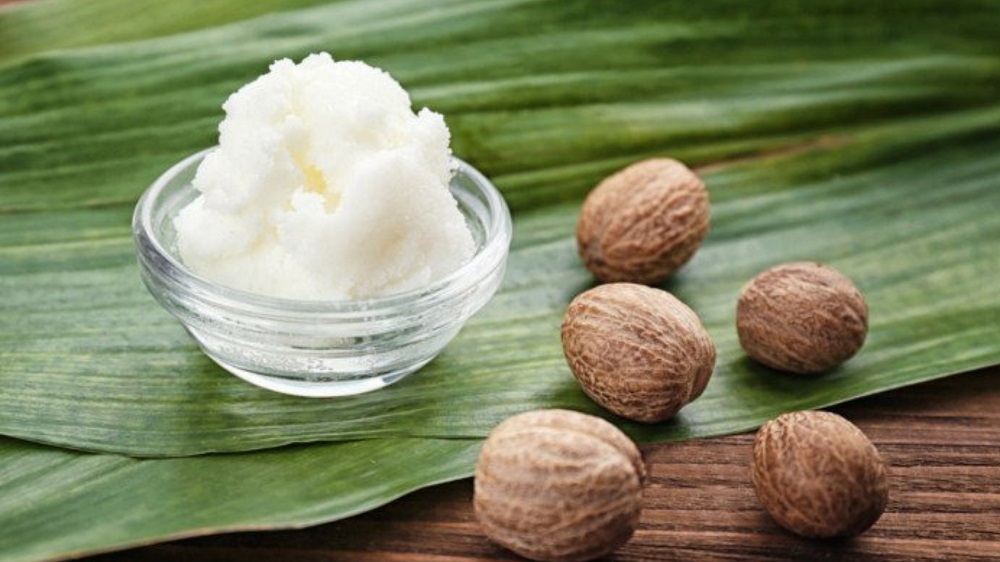
Nigeria's Role as a Leading Producer and Exporter of Shea Nuts and Shea Butter
Nigeria stands out as a major player in the global production and export of shea nuts and shea butter, essential commodities with a wide range of applications in industries such as cosmetics, food, and pharmaceuticals. The shea tree, indigenous to the West African region, flourishes in Nigeria’s savannah areas, making the country a significant contributor to the global shea market.
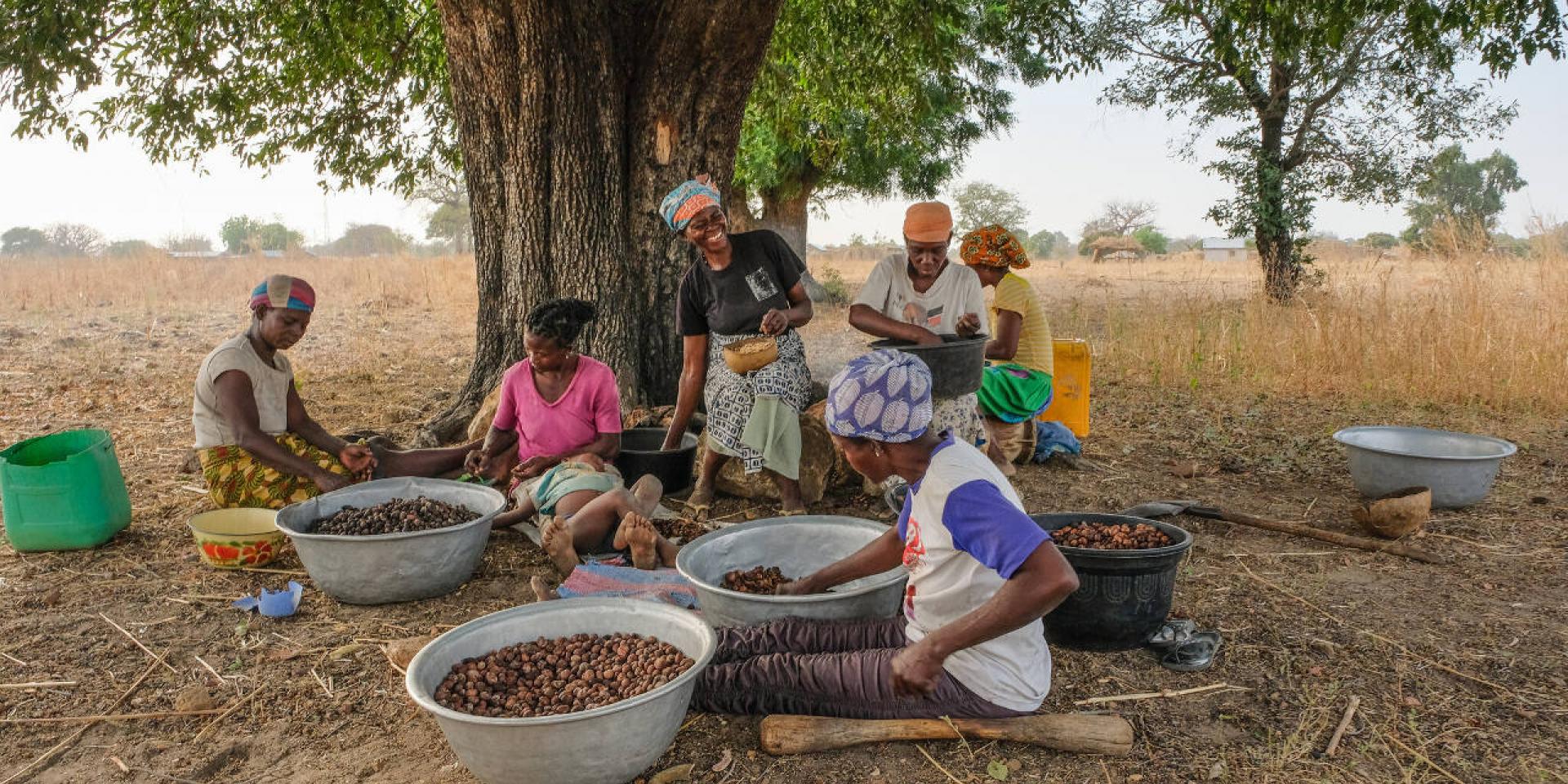
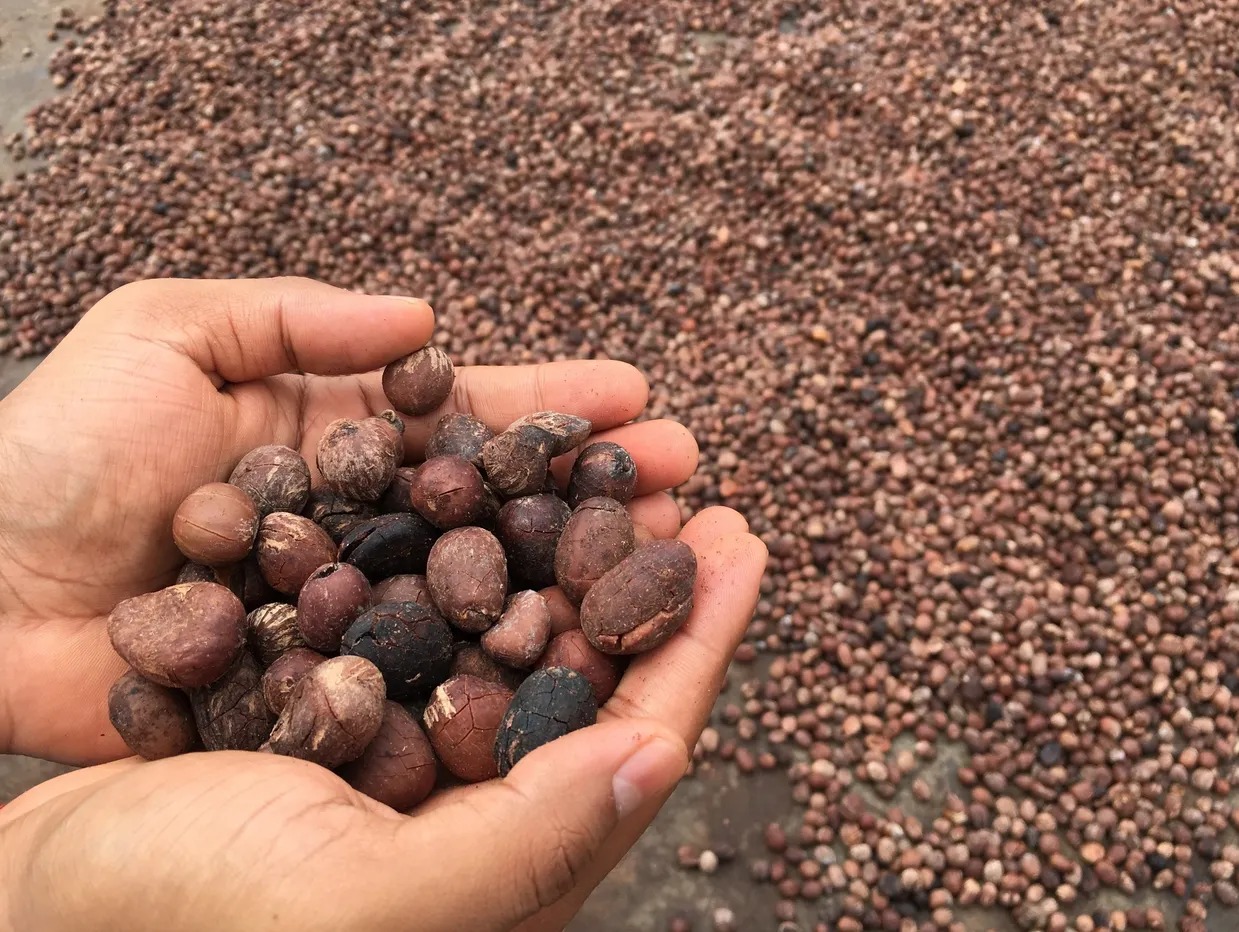
Shea Nuts Production: Nigeria is a top producer of shea nuts, which are primarily harvested by rural communities. These nuts serve as the raw material for shea butter, extracted using either traditional methods or modern processing techniques. The labor-intensive nature of shea nut harvesting provides crucial employment opportunities in rural areas, contributing significantly to local economies.
Shea Butter Extraction: Shea butter, extracted from the nuts of the shea tree, is highly valued for its rich content of fatty acids and vitamins. Nigerian shea butter is particularly prized for its quality, making it a competitive export product in international markets, where it is used in a variety of applications.
Cosmetic Industry: Shea butter is a key ingredient in the global cosmetics industry, known for its moisturizing and skin-soothing properties. It is widely used in products like lotions, creams, soaps, and lip balms. The increasing demand for natural and organic skincare solutions has further boosted the value of Nigerian shea butter in the global market.
Food Industry: In the food sector, shea butter is often used as a substitute for cocoa butter in chocolate production and as a cooking fat. Its stability and versatility make it a valuable ingredient in food processing, particularly in regions where it is a traditional cooking oil.
Pharmaceutical Applications: The pharmaceutical industry utilizes shea butter for its therapeutic properties, particularly in treating skin conditions such as eczema and dermatitis. Its natural vitamins and fatty acids enhance the efficacy of medicinal products, making it a sought-after ingredient in pharmaceutical formulations.
Nigeria exports shea nuts and shea butter to various international markets, where they are highly regarded for their quality and versatility:
Japan: Japan imports Nigerian shea butter primarily for use in the cosmetics and food industries. The demand for high-quality, natural ingredients in Japanese skincare and culinary products makes Nigerian shea butter a valuable commodity in this market.
Germany: Germany is a significant importer of Nigerian shea butter, leveraging its properties in the production of natural cosmetics and pharmaceutical products. The German market’s emphasis on sustainable and ethical sourcing aligns well with the qualities of Nigerian shea butter.
France: French cosmetic brands, known for their luxury and quality, are major users of Nigerian shea butter. It is a critical ingredient in a wide range of beauty products, from high-end skincare to natural and organic lines.
Canada: Canada imports Nigerian shea butter for its growing market of organic and natural skincare products. The Canadian market values the purity and effectiveness of Nigerian shea butter, especially in products emphasizing sustainability.
South Korea: South Korea, with its dynamic beauty and skincare industry, has become an important destination for Nigerian shea butter. The demand for natural ingredients in Korean skincare products is on the rise, positioning Nigerian shea butter as a preferred choice.
The production and export of shea nuts and shea butter offer numerous benefits, both economically and socially, to Nigeria:
Economic Empowerment of Women: The shea industry in Nigeria is predominantly driven by women, who are involved in every stage of the process, from harvesting to processing and trading. This industry provides women with economic opportunities, fostering financial independence and contributing to gender equality in rural areas.
Environmental Sustainability: The shea tree plays a vital role in the preservation of Nigeria’s savannah ecosystems. By maintaining these trees, farmers help prevent deforestation and promote sustainable land use practices, which are crucial for environmental conservation.
Diversified Economic Growth: Shea butter production contributes to the diversification of Nigeria’s economy, offering an alternative revenue stream beyond oil exports. As global demand for natural products continues to rise, the shea industry presents significant opportunities for economic growth and development.
Improvement of Rural Economies: The shea industry supports rural economies by providing a steady source of income. From the collection of shea nuts to the production of shea butter, these activities create jobs and help improve the living standards of many rural communities.
Preservation of Cultural Practices: The production of shea butter is deeply rooted in traditional practices, with knowledge passed down through generations. This not only preserves cultural heritage but also ensures the continued relevance of traditional methods in a modern context.
Skill Development and Job Creation: The shea industry offers opportunities for skill development in areas such as processing, quality control, and marketing. By fostering these skills, the industry contributes to the broader economic empowerment of local communities and enhances their capacity to compete in global markets.
Global Market Opportunities: Nigerian shea butter’s growing reputation for quality and sustainability opens doors for international partnerships and investment. This global recognition enhances Nigeria’s standing in the global market and creates opportunities for further development of the shea industry.